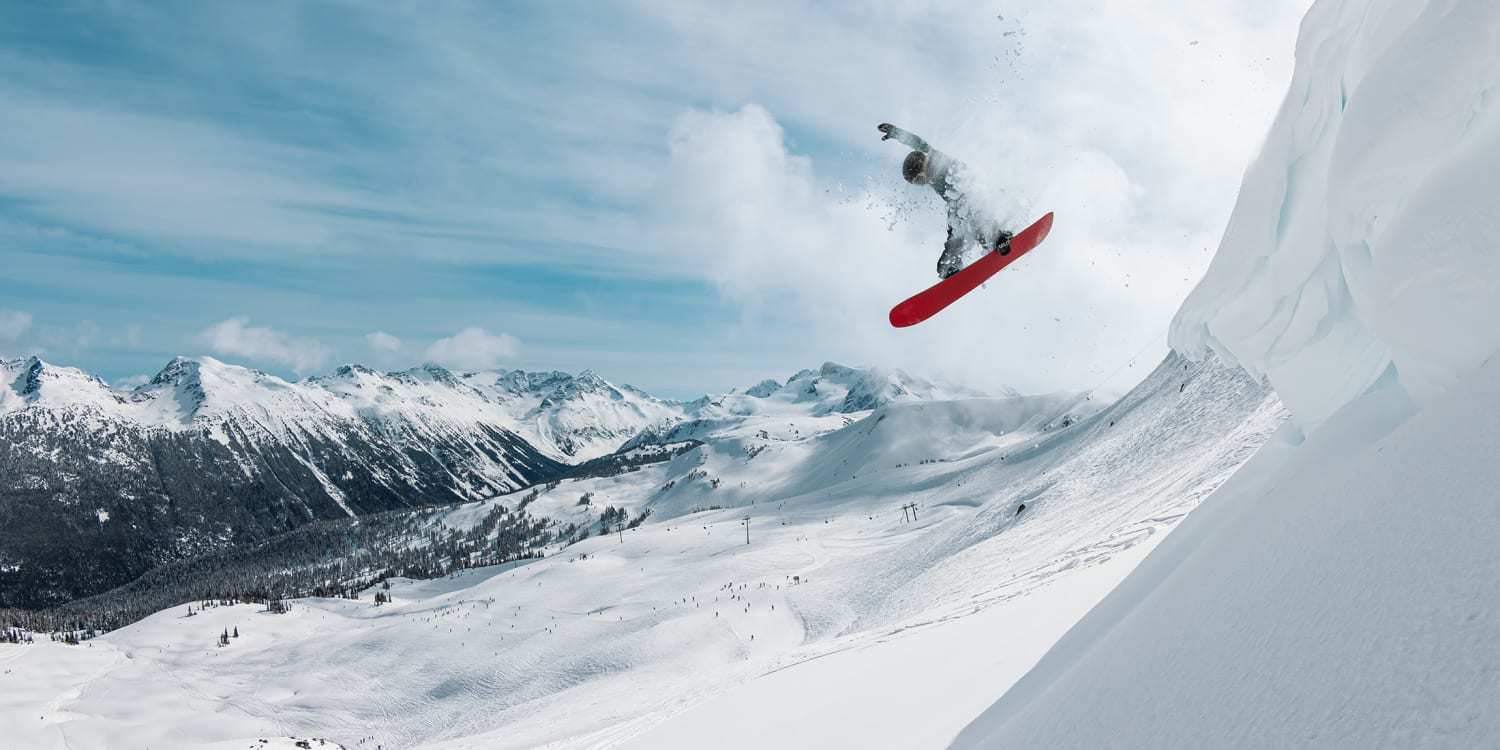
With the holidays ending, many of us will now be turning our attention to winter sports and the snow season, especially here in California. The powdery slopes can be unpredictable at times regardless of experience level and many can be unprepared for the physical demand that skiing or snow boarding can put on our body. Regardless, don’t overlook the physical aspect as you head out this season. Here are some tips to help you prepare for your snow season whether you’re a well rounded weekend warrior, slope expert, or if this is your first time trying these winter activities.
Key areas to address are the knees and hips. Your knees will be most vulnerable during winter activities because knee stability during dynamic movements comes from your ankle and hips. Whether you're skiing or snow boarding, your feet are attached to the ski or snow board, taking your ankles out of the equation to protect your knees. Training your knees and hips will be crucial for shredding all day long.
To reduce your chance of injury, strains, or fatigue, try adding these ideas to your training regimen before you hit the slopes.
Knee strengthening:
- To protect and create a resilient knee, the muscles around the knee must be strong enough to resist unwanted movement or create movement when necessary.
- Both skiing and snowboarding require the knee to be stable in varying positions but mostly in a squat position. Both sports require prolonged squat positions - not only for stability but to also create force for change of direction.
- Try training in various positions with the knee bent at either 45 degrees or 90 degrees to mimic stability in these positions that the sport would require.
- An example would be a traditional squat. Try squatting to your max depth and then rise to about 90 degrees and hold. Or try squatting to your max depth and then rise to about 45 degrees and hold.
- To make things more challenging, perform your squat and pause at 90 degrees for a few seconds, then pause at 45 degrees for a few seconds before returning to your starting position.
- This is just one example targeting the quads; don’t forget hamstrings as well to round out your knee strength.
Multi-planar hip mobility/strengthening:
- Your hips play a vital role in protecting your knee by using its muscular structures to maintain crucial alignment, especially during static and dynamic movements to prevent “knock knees” or “knees that dive inward”.
- A mobile and coordinated hip is vital during skiing, especially as you need to be able to rotate your hips inward and outward depending on whether you are slowing down or speeding up.
- Double and single leg training are both important to build strength and stability as they can show side-to-side weaknesses that should be addressed before hitting the slopes.
- One example exercise is balancing on one leg in a mini squat position and either moving your non-standing leg out to the side or directly back. This challenges a sustained position on the standing leg that you assume during skiing or snow boarding, as well as actively using muscles at the hip when needed for change of direction on the slopes.
- In short, train your hips in static and dynamic positions in all planes of motion to prepare for the snow.
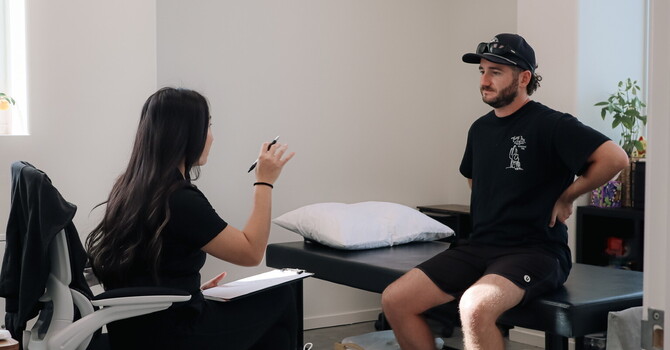
Try incorporating these ideas into your exercise routine before heading out to this snow this season. If you’re unsure about your physical readiness for snow sports or need guidance on how to prepare for specific activities, consider consulting with your physical therapist. Even if you aren’t injured, they can help minimize risk and support a safe, enjoyable snow season.
Dealing with a current or past injury? Don’t wait until it sidelines you. Schedule a 1-on-1 evaluation or movement assessment with our physical therapy team to address pain, instability/balance, or mobility issues