Baseball Mobility Training: Improve Shoulder & Hip Mobility to Prevent Injury
If you're a baseball player dealing with shoulder pain, hip pain, or simply looking to improve your performance on the field, mobility training should be a cornerstone of your program.
At Valor Physical Therapy in Carlsbad, we regularly evaluate athletes who are strong, powerful, and highly skilled but limited by poor mobility. Whether you're a youth player, high school athlete, collegiate player, or adult competing in a recreational league, maintaining mobility is essential for staying healthy and performing at your highest level.
Baseball Is a Three-Dimensional Sport
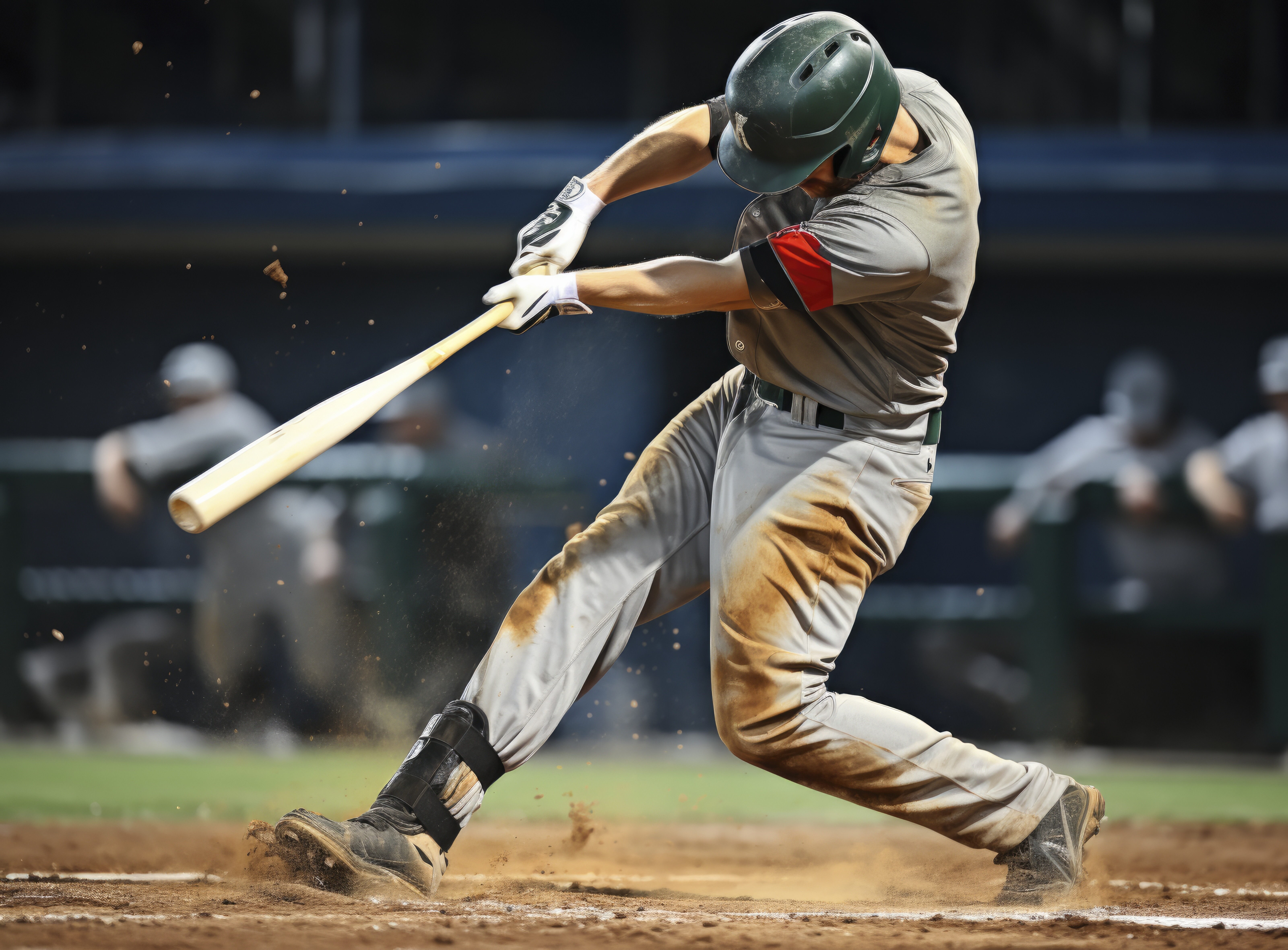
Every part of the game, throwing from the outfield, pitching off the mound, rotating through a swing, fielding a ground ball, or diving for a catch, requires movement through all three planes of motion. Your body relies on coordinated movement from your feet all the way through your fingertips.
When one area loses mobility, another part of the body compensates. Those compensations create excessive stress on tissues, increasing the risk of shoulder pain, hip pain, elbow injuries, and low back discomfort.
Is Mobility the Same as Flexibility? No, Here's Why.
A common misconception is that mobility simply means flexibility. True shoulder mobility and hip mobility require more than passive range of motion. They require the strength, stability, and motor control to actively move through those ranges during sport.
As a physical therapist, I explain mobility as your ability to "own" your movement. It's not enough to reach a position. You have to control it under speed, force, and fatigue.
How Mobility Needs Change Throughout a Baseball Career
Youth baseball players are naturally very mobile. Their challenge usually isn't creating more range of motion, it's developing the neuromuscular control to stabilize and coordinate movement efficiently throughout the kinetic chain.
High school, college, professional, and adult athletes tend to face the opposite problem. Years of repetitive throwing, hitting, and lifting gradually create restrictions throughout the body. Common causes include natural aging, previous injuries, protective muscle guarding, long competitive seasons, and a lack of dedicated mobility work. Studies show that professional pitchers and position players lose range of motion in the hip over the course of the season and career. Without attention, tissues and joints grow progressively stiffer, forcing the body into compensatory movement patterns.
Why Mobility Training Matters for Baseball Performance and Injury Prevention
1. Efficient Movement Through the Kinetic Chain Throwing velocity and bat speed don't originate at the shoulder. Force starts in the ground and travels through the legs, hips, trunk, scapula, and arm. When one link is restricted, another region absorbs the extra load, such as limited hip rotation increasing lumbar spine rotation, poor thoracic mobility contributing to shoulder pain, or restricted shoulder mobility increasing stress on the elbow during throwing.
2. Tissues Tighten Over the Course of a Season Every throw, swing, bullpen, practice, and workout places stress on the body. Without consistent mobility work, small losses in range of motion accumulate over weeks and months, affecting mechanics and raising injury risk. This is why professional organizations monitor athlete mobility throughout the season, not just after an injury occurs.
3. Mobility Is Essential to Injury Recovery Whether you're recovering from shoulder pain, hip pain, elbow injuries, or low back pain, restoring mobility is almost always a key part of rehabilitation. After injury, the body naturally limits motion as a protective response. While helpful at first, these restrictions can linger well after healing if they aren't addressed. A primary goal of rehab is restoring normal movement before progressing to higher-level strength training and return-to-sport activity.
The Shoulder and Hips: Baseball's Power Generators
The shoulder and hips are two of the most important regions for efficient throwing mechanics. Healthy shoulder mobility allows the arm to safely move through the extreme ranges required during pitching and throwing. Adequate hip mobility allows athletes to generate rotational power from the ground up.
When mobility is lacking, athletes commonly experience shoulder pain, hip pain, decreased throwing velocity, reduced rotational power, increased fatigue, compensatory movement patterns, and greater stress on the elbow and low back. Improving mobility doesn't just help athletes move better. It improves force transfer through the entire kinetic chain while reducing unnecessary stress on vulnerable joints.
Introducing the Valor Baseball Mobility Program
At Valor Physical Therapy in Carlsbad, we've developed a Baseball Mobility Program for pitchers and position players who want to move better and reduce their risk of injury. The program focuses on restoring mobility where it's needed most while building the control required to use that mobility during baseball-specific movement.
Athletes work on:
- Shoulder mobility
- Hip mobility
- Thoracic spine mobility
- Rotational movement control
- Strength through end ranges
- Dynamic stability
- Baseball-specific movement patterns
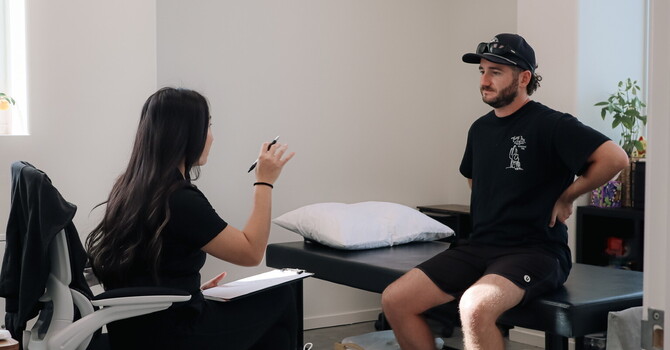
Whether you're preparing for the season, maintaining your body through competition, or recovering from an injury, this program is designed to help you move more efficiently and stay on the field longer. Ready to improve your mobility and stay injury-free this season? Schedule a free mobility assessment with our baseball specialists. We'll evaluate your movement patterns and create a personalized plan to get you back to peak performance. Call (760) 517-6477 or schedule a free discovery call.
Frequently Asked Questions
How often should baseball players do mobility work?
Most athletes benefit from mobility training 3 to 5 times per week, ideally as part of a warm-up before throwing, hitting, or lifting. In-season, shorter daily mobility sessions help offset the cumulative tightness that builds up from repetitive game and practice demands.
Can improving mobility increase throwing velocity?
Yes. Throwing velocity depends on efficient force transfer through the kinetic chain, from the legs, hips, and trunk, all the way to the arm. When hip or thoracic mobility is restricted, athletes lose power and often compensate with the shoulder or elbow, which can reduce velocity and increase injury risk.
What's the difference between mobility and stretching?
Stretching improves passive flexibility, while mobility is the ability to actively control and use that range of motion under speed, load, and fatigue. A player can be flexible but still lack the strength and motor control needed to use that range of motion safely during a throw or swing.
Can I do mobility training during baseball season?
Absolutely. In fact, it's essential. We recommend 15-20 minutes of mobility work 3-4 times per week to maintain range of motion during the competitive season. Mant athletes find that consistent in-season mobility training actually reduces injury risk and helps maintain performance as the season progresses. Think of it like stretching before games, preventative maintenance and not just recovery work.
Does Valor Physical Therapy work with athletes who aren't currently injured?
Yes. Many athletes come to Valor for mobility and strength assessments as well as performance training, not just injury recovery. Addressing movement restrictions before they cause pain is one of the most effective ways to stay healthy through a full season.
Final Thoughts
Strength and power are essential in baseball, but they're only part of the equation. Without adequate mobility, those qualities become harder to express efficiently and safely. If you're experiencing shoulder pain, hip pain, stiffness during throwing, or simply want to move better, addressing mobility may be one of the most impactful changes you can make.
Working with a physical therapist who understands the demands of baseball can help identify movement restrictions before they become injuries.
If you're in Carlsbad or the surrounding North County San Diego area and want to improve your mobility, performance, or reduce your injury risk, we'd love to help you find out if our Baseball Mobility Program is the right fit for you.
Valor Physical Therapy | Carlsbad, CA Serving baseball athletes throughout North County San Diego with sports physical therapy, injury prevention, shoulder and hip mobility training, and return-to-sport rehabilitation for pitchers and position players at every level.
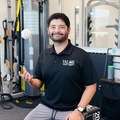
Brian, our baseball injury specialist and former athlete himself, leads our mobility program. He understands the specific demands of baseball at every level and creates personalized plans to get you moving better and staying healthy.