You finished physical therapy. The pain is gone, you can move again, and your therapist signed off. So why does it feel like there's a gap between "discharged" and "back to normal"? Here's what that gap is, why so many people slip backward in it, and how to cross it safely.
The gap nobody warns you about
Physical therapy is designed to get you out of pain and restore basic function. Discharge usually means you've met the goals you and your therapist set: you can walk, climb stairs, lift a reasonable weight, or move through a normal day without symptoms.
But those goals are not the same as what your life or your sport actually demands. Running ten miles, swinging a golf club for 18 holes, paddling out in the surf, picking up a grandchild, or lifting at the gym week after week all require more strength, endurance, and tolerance for load than "pain-free" does.So you end up in a gap. You're better, but you're not yet strong enough, conditioned enough, or confident enough to go all the way back. That leaves a decision: guess, or stop.
Why most people slip backward without a structured plan
Nobody falls apart the day after discharge. It tends to happen gradually, for a few predictable reasons.
1. Pain-free doesn't mean prepared. Tissues that were injured or recovering need to be loaded gradually to rebuild capacity. If you return to your full activity before they can handle it, symptoms come back or a new problem shows up somewhere else.
2. Too much, too soon. Feeling good is a dangerous signal. People often jump straight back to their old routine, the same mileage, the same weights, the same weekend game, and overshoot what their body is ready for.
3. Too little, too long. The opposite happens just as often. People are afraid of re-injury, so they avoid anything challenging. Muscle and conditioning keep fading, which leaves them more vulnerable, not less.
4. No progression. The home exercises from PT were designed for a specific stage of recovery. Without someone to progress them (more load, more speed, more complexity), they stop being challenging and stop working.
5. No one is watching. A new ache is easy to ignore, or to overreact to. Without a professional who knows your history, it's hard to tell the difference between normal soreness and a warning sign.
6. The old habits that contributed to the injury come back. If your training, movement patterns, or workload helped cause the problem, going back to them unchanged invites a repeat.
These are well-recognized patterns in rehabilitation and return-to-sport research, which is why many guidelines emphasize criteria-based, gradual progression rather than simply waiting for symptoms to settle.
What to do in the first weeks after discharge
Whether or not you work with us, these steps will help.
- Get clear on what you've been cleared for. Ask your therapist what you can do now, what to avoid, and what the next phase should look like.Keep doing your home program.
- Don't drop it the day you're discharged. Treat it as a bridge, not homework that's over.
- Return to activity in stages. Increase one thing at a time, such as time, load, or intensity, rather than all at once.
- Track how you feel the next day. Mild soreness is normal. Pain that lingers, sharpens, or changes how you move is a signal to back off and get it checked.
- Build strength, not just stamina. Strength is the foundation for almost every goal. It protects joints, supports recovery, and makes return to activity more durable.
- Have a plan and someone who knows your history. This is where most people struggle, and it's the biggest difference-maker.
What a PT-integrated training approach looks like
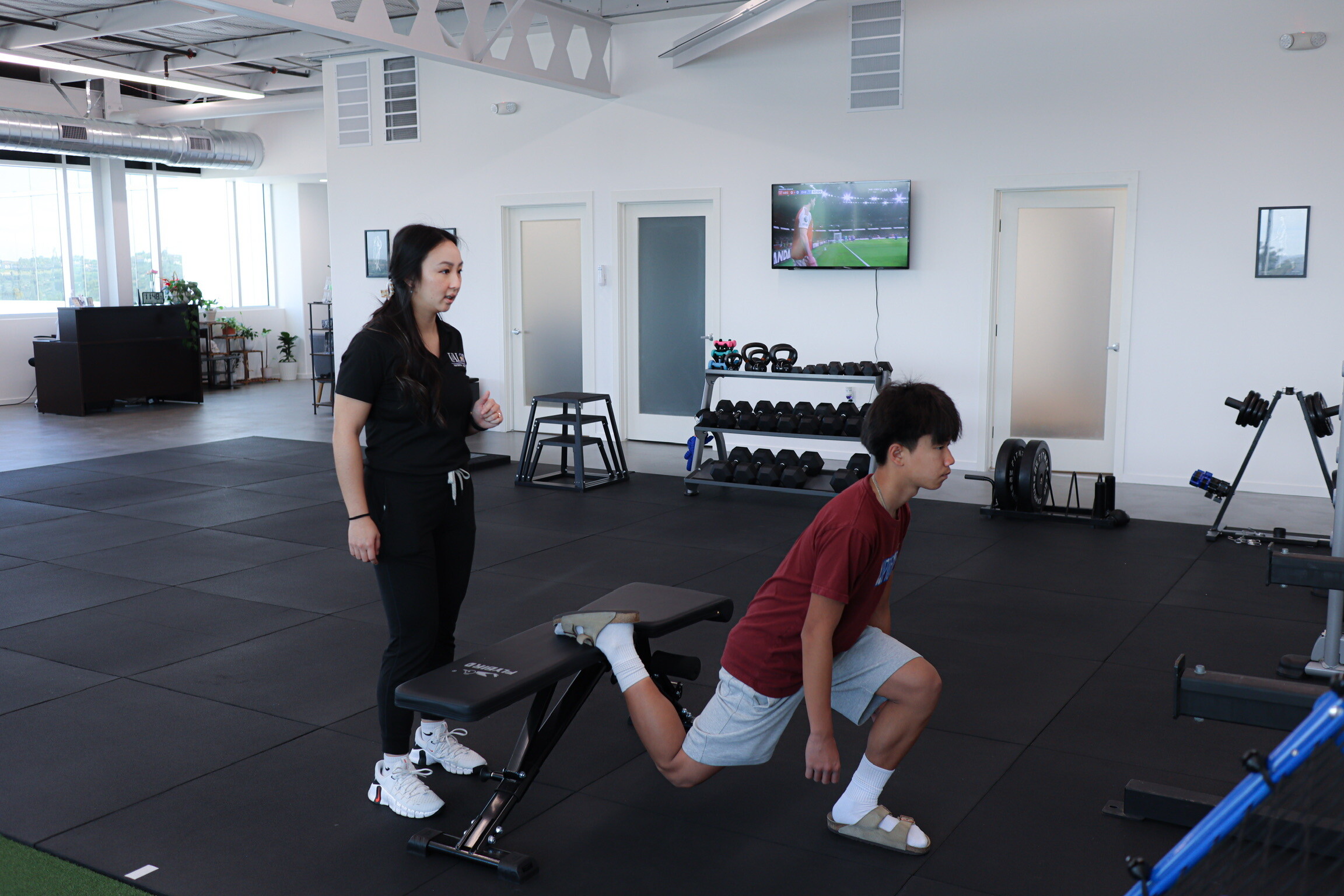
Most gyms and trainers are good at training healthy people. Most PT clinics are good at getting people out of pain. A PT-integrated approach is built for the stretch in between.
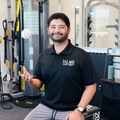
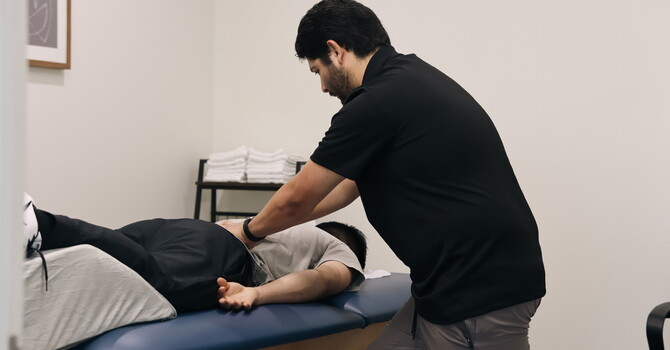
At Valor Physical Therapy, personal training sits alongside physical therapy, not separately from it. Here's what that means in practice.
A real handoff. Your history, diagnosis, restrictions, and goals carry over. You don't re-explain your injury to a stranger or guess at what's safe.
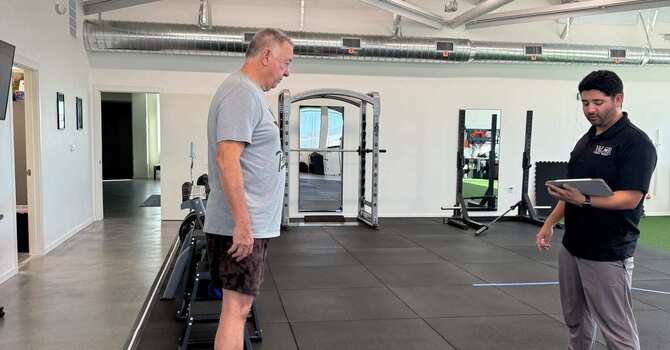
A starting point based on you. Your first session establishes where you are now, including strength, movement quality, and tolerance for load. With VALD force plate testing, you can get a baseline, and we work from there to reach your fitness goals.
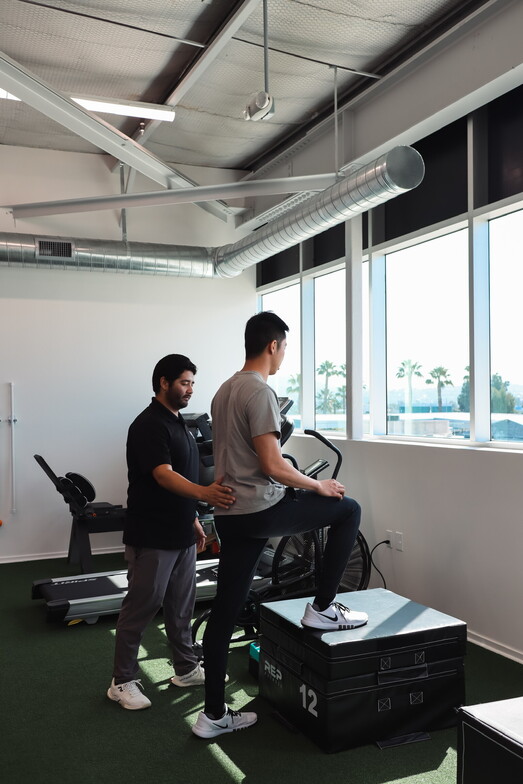
Progressive loading with clear criteria. Your program increases in difficulty as you meet specific benchmarks, not just as time passes. That is what keeps progress steady without overshooting.
One-on-one coaching. Sessions are private and individualized, so exercises are adjusted for your history, your goals, and how your body feels that day.
PT-level backup under one roof. If something flares up, your trainer and the PT team can communicate directly, and you can be seen quickly instead of starting a new search for care.
A finish line that matches your life. Your goal might be a half marathon, the surf season, a pain-free golf swing, or lifting without fear. The program is built toward that goal, not just toward "no pain."
Who this is approach is good for
You finished PT and want to keep progressing, but you're nervous about doing too much.You have a history of back, knee, or shoulder issues, and regular trainers don't know how to work around them.You want to build muscle and support your bone health after a diagnosis like osteoporosis, in line with your doctor's recommendations.You're a weekend warrior who keeps getting hurt at the gym.
Ready for the next step?
If you've finished physical therapy and you're ready to keep getting stronger, we'd love to meet you. Your first personal training session at Valor is just $50. Book your first session or call us at (760) 517-6477.
Valor Physical Therapy | 2150 Palomar Airport Road, Suite 210, Carlsbad, CA 92011
This article is for general information and isn't a substitute for personalized medical advice. If you have pain or symptoms, talk with your physical therapist or physician.